If you use any of the social media platforms these days and follow other runners, coaches or influencers, you will no doubt have come across a phrase like “run slower to get faster”.
But are we following that advice as runners?
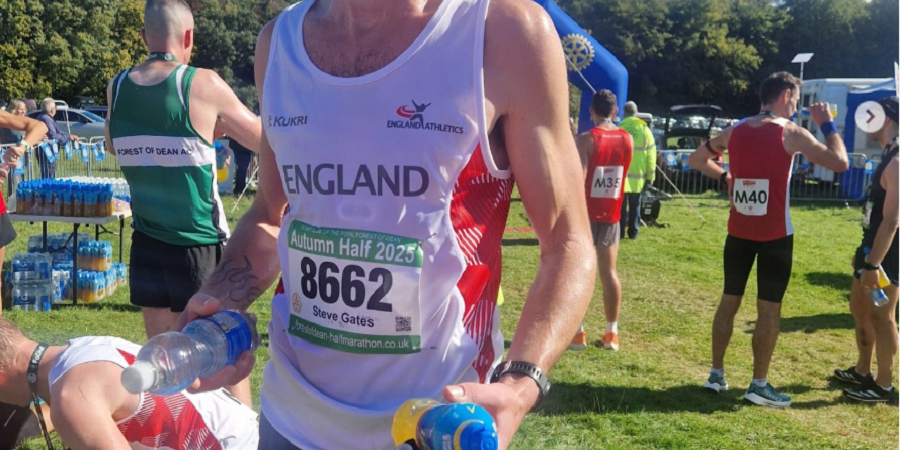
Last week one of my runners had a VO2 Max and Lactate Threshold test. The results were interesting and certainly got me thinking.
On a positive note the test results had him in the top category for his age group “Olympic” standard and the person delivering the test wrote “Great work Steve (and coach), not a lot to improve on here so keep up the fantastic work!”.
What the test did provide was data in terms of pace and heart rate for both LT1 and LT2. LT stands for Lactate Threshold. Now I won’t go into too much depth about this right now as that’s not the point of the article.
LT 1 for Steve was said to be around 5:00 per km (8:03 per mile) and a heart rate of 140.
The key knowledge we need to understand are the benefits of running below LT1 (slowly). At that level our body learns to use fat as a primary fuel source. This means our glycogen stores are not being depleted as quickly.
Keeping our heart rate and pace down allows for quicker recovery times. This is particular important if you have tough sessions in your training schedule. You want to be as fresh as possible to work hard in those key sessions. If your easy runs are not done at the correct intensity, you’re going to be tired for those speed and tempo workouts.
The most important adaptation from doing our easy runs at a low intensity is the increased production of mitochondria.
What are mitochondria?
They are referred to as the “Powerhouse” of the cell and can convert food and oxygen into ATP which our cells can use to move and work.
The more mitochondria we have, the fitter we will be.
Looking back at Steve’s training, during some of his long runs, his heart rate was creeping up to 150. So at that level, he’s actually creating less mitochondria than if he were to slow down and run at an easier pace.
Now I’m not going to suggest we all go out and book ourselves a VO2 Max and Lactate Threshold test. Most of us have smart watches now which should give you HR zones and tell you when you go from “Aerobic” to “Threshold”. Aerobic will be below your LT1 and Threshold will be beyond it.
For Garmin users, their default HR Zones, will mean you want to be in Zone 3 or below for your easy sessions.
I’ve already changed the way I’m training based on the results from Steve’s test. I’ve changed the settings on my watch, so when I do an easy run I only display Heart Race and the time I’ve been running for. I’ve no interest in my pace, it’s irrelevant.
When I cross that line from Aerobic to Threshold, also around 140 BPM (beats per minute) I slow down, or if I am cross training I reduce the level of the machine I’m on.
Whilst it might seem counter productive to run slower, the above science tells you that it’s actually beneficial.
To give you an idea of my easy pace runs. I’m just coming back from injury, but Garmin believes my current 5k Pace to be 4:27 per km (7:10 per mile). On my easy runs, to keep my heart rate below my threshold I’ve had to run around 6:00 per km (9:40 per mile). So quite a big difference.
Pace should be the last thing you focus on though. Working to heart rate or RPE (Rate of Perceived Exertion), where easy runs are no more than 3/10 effort, is a much better way of working at the correct level.
So now with this information and knowledge, ask yourself that question again, are you running your easy runs too fast?